
Giovanni Pascoli (San Mauro di Romagna, 31 December 1855 – Bologna, 6 April 1912) was an Italian poet and
literary critic. An emblematic figure of late nineteenth-century Italian literature, he is considered, together
with Gabriele D’Annunzio, the greatest Italian Decadent poet, despite an early education initially shaped by
positivism.
The most important works of Giovanni Pascoli testify to the evolution of his poetics: with Myricae he gave voice
to the world of small things and to the perspective of the “little child”, while in the Canti di Castelvecchio he
deepened the themes of the nest, memory and sorrow.
In the Poemetti and Nuovi poemetti he broadened poetic narrative, combining realism and symbolism; in the
Poemi conviviali he reinterpreted classical myth in a modern key, alongside his poetic production with the essay
Il fanciullino, a synthesis of his thought.
Pascoli’s poetics arise from an intimate and painful vision of the world, marked by the original fracture of the
family “nest” and by a profound sense of bewilderment before reality.
At the centre of his poetic thought is the “little child”, symbol of that pure and innocent part of the human soul
that survives within the adult and that alone is capable of grasping the hidden mystery of things.
A significant chapter of his life unfolded on the shores of the Strait: between 1898 and 1902 he was Professor
of Latin Literature at the University of Messina.
His residence was an apartment inside Palazzo Sturiale, on Via Risorgimento, where he lived together with his
sister Mariù and his dog Gulì.
On the shores of the Strait, the poet experienced, by his own admission, one of the most industrious and creatively
intense periods of his existence: he established relationships with the intellectual and academic world
and composed some of his most celebrated works, such as L’aquilone, Le ciaramelle and his essays on Dante.
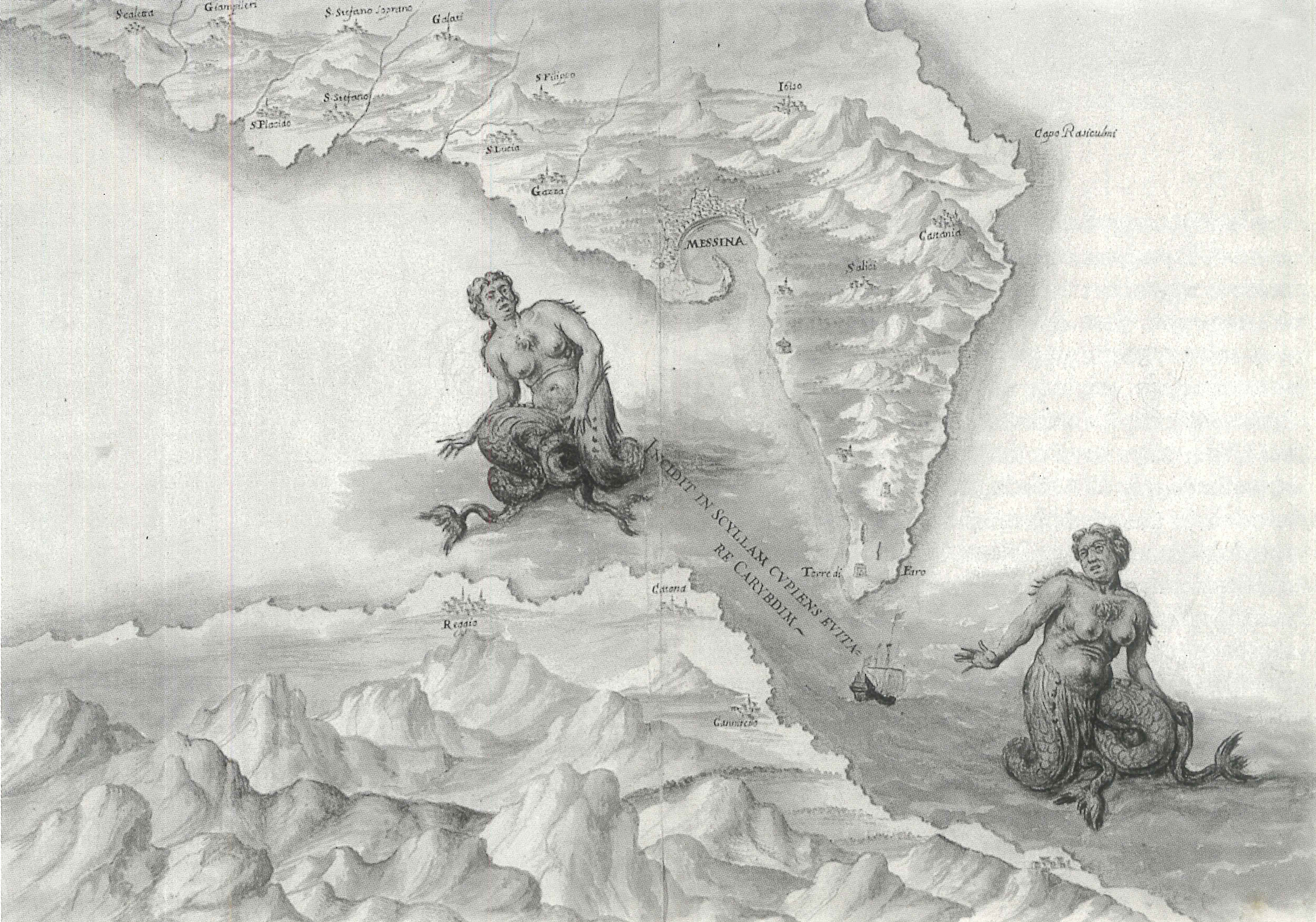
He also loved taking long walks that led him as far as the Faro di Messina (Capo Peloro), a favourite place
where, seated on the beach and gazing at nearby Scilla, he recalled the great myths of the classical tradition
embodied in those places.
He described this landscape as an authentic “sacred place”, rich in visions, Greek echoes, Nereids and colours,
which he succeeded in fixing within poetic language.
He was deeply saddened by the consequences of the devastating earthquake that struck Scilla, Messina and
the Strait in 1908, dedicating words of affection to this place which had welcomed him during the “best years,
the most industrious, the happiest, the most collected, the most radiant with visions, the most resonant with
harmonies of my life”, as he wrote in Un poeta in lingua morta (chapter VII of the collection Pensieri e parole,
1914).
“This sea is full of voices and this sky is full of visions.
The forgotten Nereids still wail in this sea, and in this sky the dead cities often sway suspended.
This is a sacred place, where the Greek waves come seeking the Latin ones; and here they merge, forming in
the serenity of the morning an immense bath of purest metals sparkling as they liquefy, and here they lie down,
becoming, amid the vapours of evening, images of great shifting purples in every shade of seashells.
This is a
sacred place.
Between Scilla and Messina, at the bottom of the sea, beneath the deepest cobalt blue, beneath the sparkling
metals of dawn, beneath the iridescent purples of sunset, death lies hidden, they say; not that death, so to
speak, which plucks now the flower, now the fruit from human plants, leaving the branches free to flower and
bear fruit again; but that which dries up the plants themselves; not that which prunes, but that which uproots;
not that which leaves tears behind, but that which is followed by oblivion.
Such a hidden power, from which ruin and destruction radiate, has erased here so much history, so much beauty,
so much greatness. Yet its imprint remains as if in the sky, its echo as if in the sea.
Here, where history is almost destroyed, poetry remains.”
Giuseppe Ribuffo
