
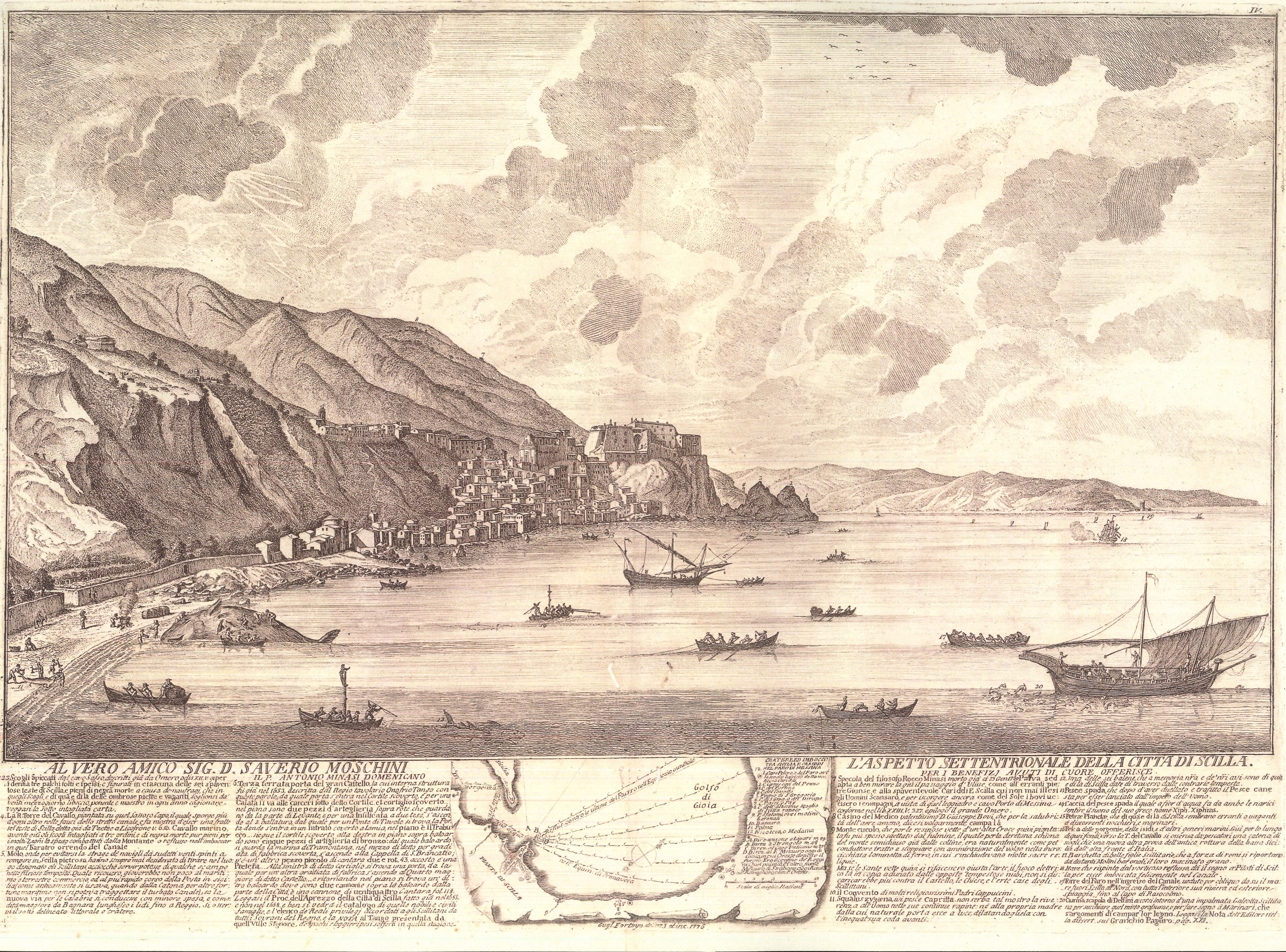
Giovanni Boccaccio (Certaldo, July 1313 – Certaldo, 21 December 1375) was an Italian writer and poet and is considered one of the most important figures in the literary landscape of fourteenth-century Europe. He is celebrated, together with Dante Alighieri and Francesco Petrarch, as one of the so-called “Three Crowns” of Italian literature.Regarded by many scholars as the greatest European prose writer of his age, Boccaccio distinguished himself through his extraordinary versatility: he succeeded in blending diverse literary trends and genres into original works, thanks to remarkable creative talent and a strong spirit of experimentation. He is also remembered as one of the precursors of Humanism: together with his friend Petrarch, he helped lay the foundations, particularly in the Florentine cultural environment.His most famous work is the Decameron (1351), a collection of novellas that played a fundamental role in shaping the Italian literary tradition.His importance was also recognized in later centuries, particularly during the sixteenth century, when Pietro Bembo elevated Boccaccio’s style as the model for Italian prose.Boccaccio’s influence extended far beyond Italy, reaching all of Europe and profoundly inspiring authors such as Geoffrey Chaucer, a central figure in English literature, and Miguel de Cervantes. In the final twenty years of his life, Boccaccio devoted himself primarily to the writing of scholarly and encyclopedic works of strong humanistic significance, reflecting the new cultural spirit of the age. Among the most notable are the De montibus, silvis, fontibus, lacubus, fluminibus, stagnis seu paludibus et de diversis nominibus maris (commonly abbreviated as De montibus), a learned work written in Latin between 1355 and 1373 under the influence of Petrarchan Humanism.It is an encyclopedic geographical dictionary, organized into sections dedicated to the various natural features named in the title—mountains, forests, springs, lakes, rivers, ponds or marshes, and the names of seas—with entries arranged alphabetically. The work was conceived to facilitate the understanding of geographical references found in classical Latin and Greek texts and represents one of the pillars of Boccaccian humanistic scholarship, testifying to his commitment to recovering, organizing, and transmitting the knowledge of Antiquity.In Book VI of the work, entitled De diversis nominibus maris (“On the Various Names of Seas”), Boccaccio shifts his attention from land to sea. This section is devoted to the description and cataloguing of the seas of the ancient world, carried out through the authority of classical sources—from Homer and Virgil to Pliny and Ovid—thus providing a true linguistic and cultural map of the maritime world, one that restores to seas their identity through the place names handed down by tradition.Within this intertwining of encyclopedic knowledge and classical tradition, under entry 104, Boccaccio defines the Scyllaean Sea (Scyllaeum mare) as that stretch of sea located between the Italian peninsula and Sicily, corresponding to today’s Strait of Messina.Drawing upon the classical sources that had already shaped its imagery, the author also provides a morphological description of the Rock of Scilla, to which this stretch of sea is historically and inseparably linked.
“The Sea of Scylla (Scyllaeum Mare) is that which we call the Faro, between Sicily and Italy, and it takes its name from the monster Scylla, from the part of Italy nearest to it. It is said to be a gigantic rock, human in appearance in its upper part, while in the lower part it possessed sharp cliffs, among which, as the waters rushed with great force, rebounding from those rocks and stirred both by their natural noise and by the violence of the waves, a dreadful sound was produced, seeming to roar with the voice of a dog barking with immense fury. This, according to the ancients, gave rise to the myth: namely that the maiden Scylla, beloved of Glaucus, while she was bathing, was enchanted by Circe and transformed from the waist downward into a monstrous dog; others maintain that Scylla was a most beautiful woman who stole from men their sheep, and that she was cast into the sea from the place that took its very name from the rock, thus giving that location its fantastical association.”
Giuseppe Ribuffo
